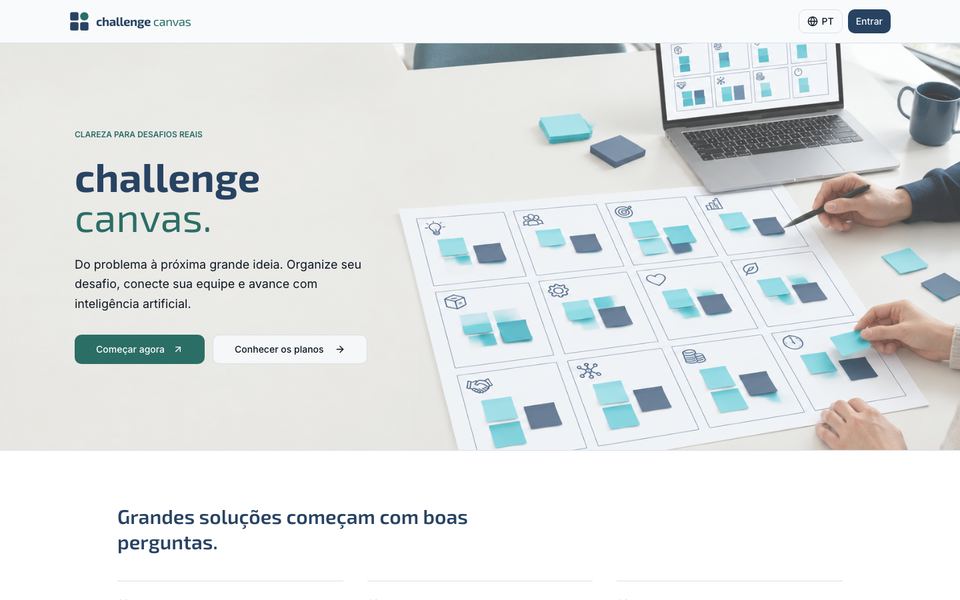
Challenge Canvas Builder
Build a challenge canvas in 12 blocks, with AI on every field

Software development
Diagnostics, simulators, dashboards and AI assistants, from prototype to use in the classroom, the boardroom and daily operations.
Featured
A sample of what is already published. Each page describes the problem, the features and how to try it.
Build a challenge canvas in 12 blocks, with AI on every field

Meeting minutes with recording, transcription, human review and formal approval
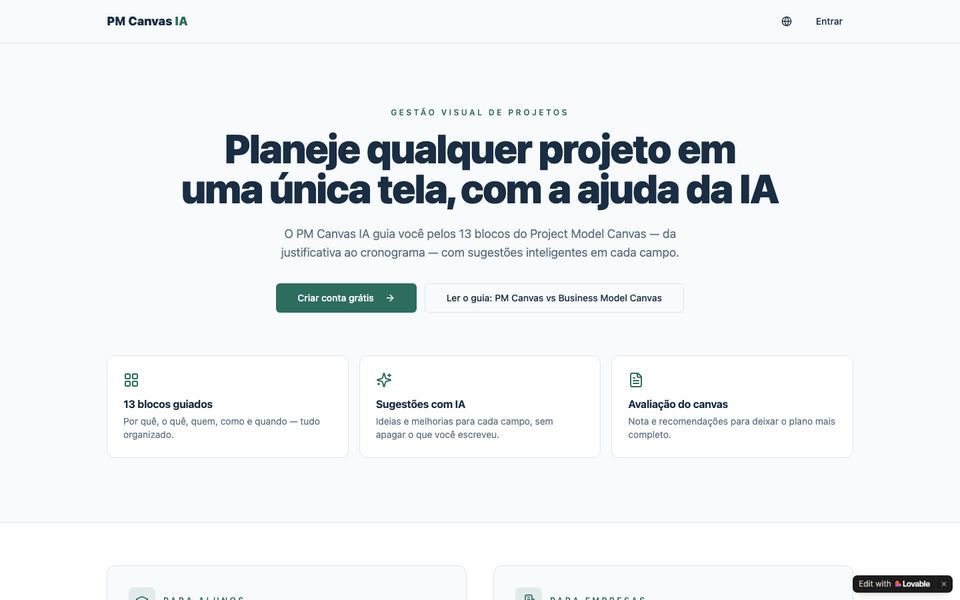
Guided Project Model Canvas in 13 blocks, with AI suggestions per field
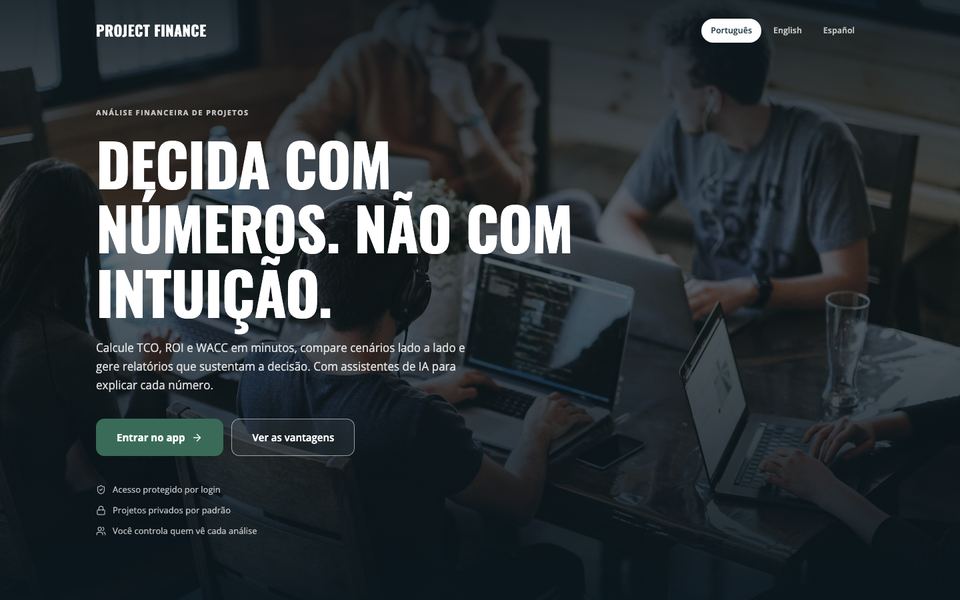
TCO, ROI and WACC calculators with AI advisors and PDF reports
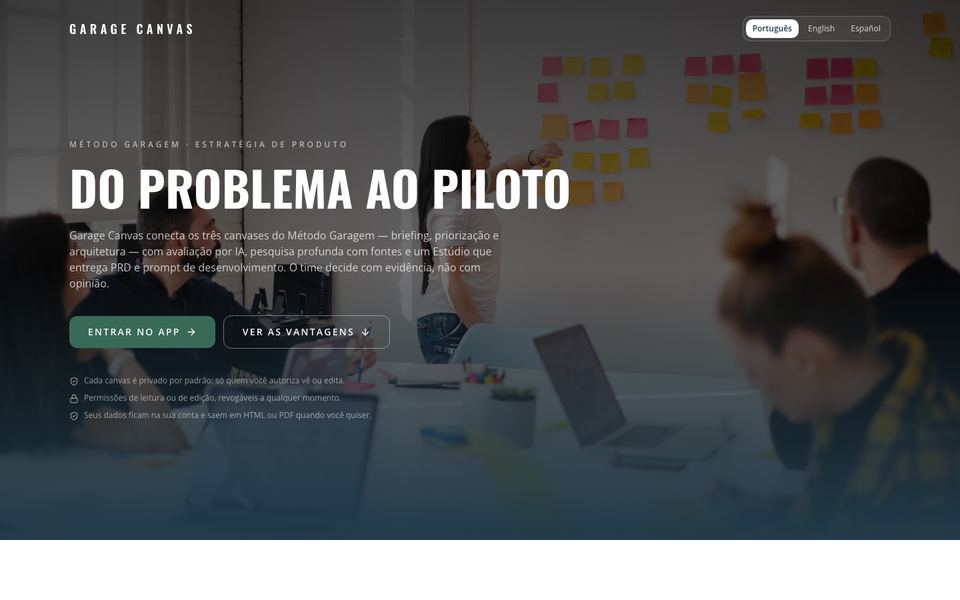
Model, prioritize and document innovation pilots focused on users and feasibility
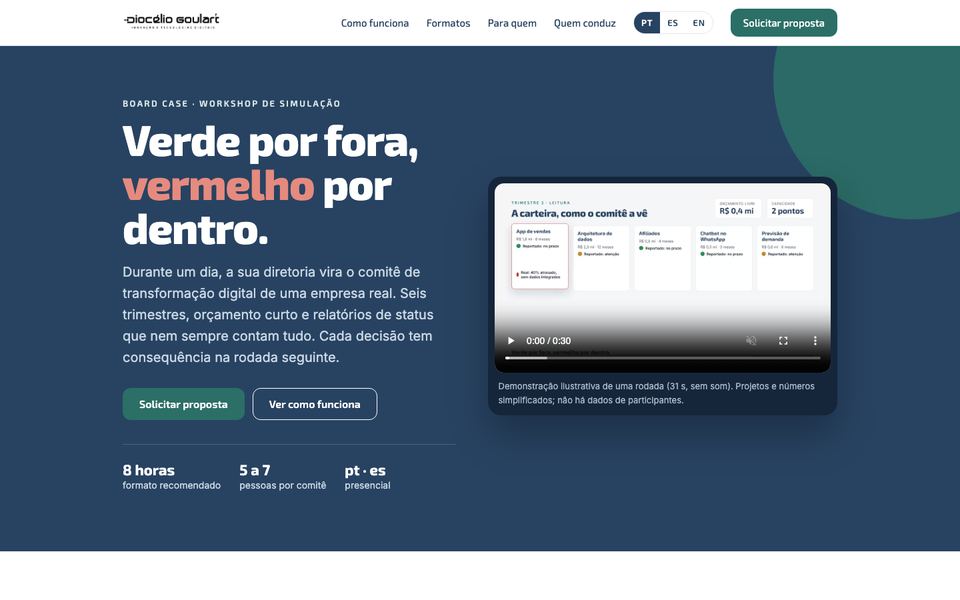
Simulation in which teams decide a company's digital transformation as a board would
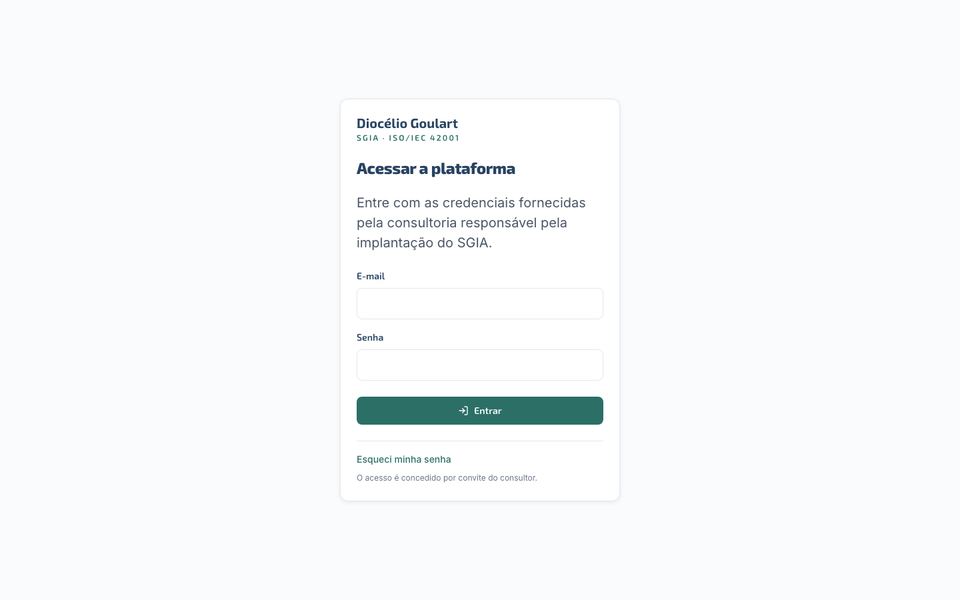
Platform to support an AI management system under ISO/IEC 42001
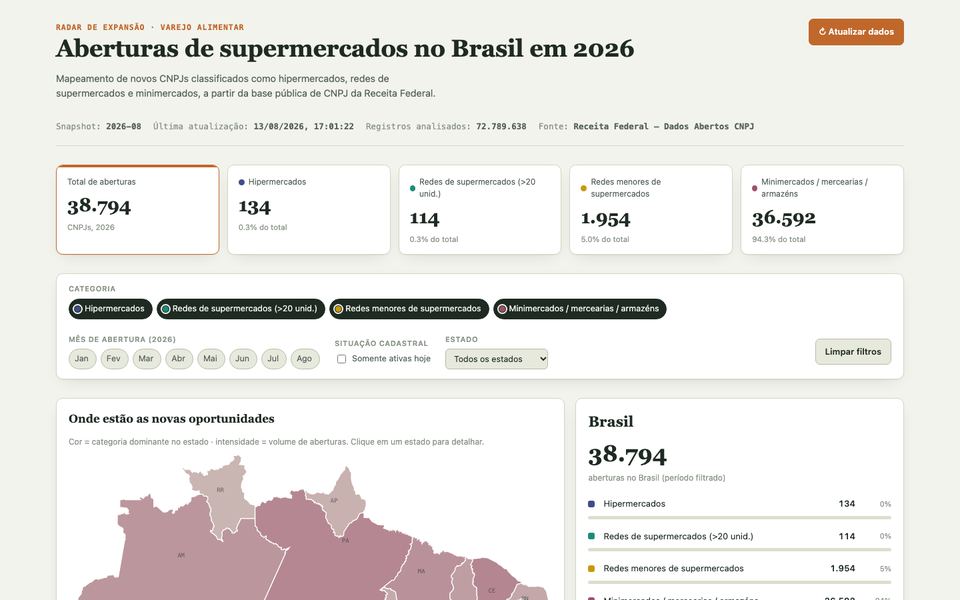
New business registrations of hypermarkets, chains and minimarkets from public data
Method
Short projects, with a usable version early and recorded decisions. The client sees the application working before approving the next stage.
A conversation to understand the decision the software must support, who will use it and what data exists. The output is a one-page scope.
i9DTech+ stages 1 to 3: Challenge Canvas, Draw Toast and Crazy 8
Within days, a first version with the main screens and sample data, to validate the flow with the people who will use it.
i9DTech+ stages 4 to 6: Brief and PRD with MoSCoW, Value Proposition Canvas and Lean Canvas
Short delivery cycles with sign-in, database, AI and reports as needed. Each cycle ends with a test in real use.
i9DTech+ stage 7: specification and prototyping under DSR
Publication in the cloud or on the client's server, with its own domain, HTTPS certificate, backups and a record of what was delivered.
i9DTech+ stage 8: verification against the Challenge Canvas and PRD criteria
Adjustments after go-live and further stages when they make sense.
A new cycle, starting from what the LLM Wiki recorded
The method follows the i9DTech+ methodology, grounds the build in Design Science Research, and records decisions and sources in an auditable LLM Wiki. Understand the foundations
React and TypeScript in the browser; Node.js, Python (FastAPI and Django) and Supabase on the server; generative AI models with cost control; PDF and DOCX generation; two-factor authentication; interfaces in Portuguese, Spanish and English.
Describe what you need in a few lines. You will get a reply within two business days.